

Spanish Translations
Reach More People With Spanish Translation Services Today
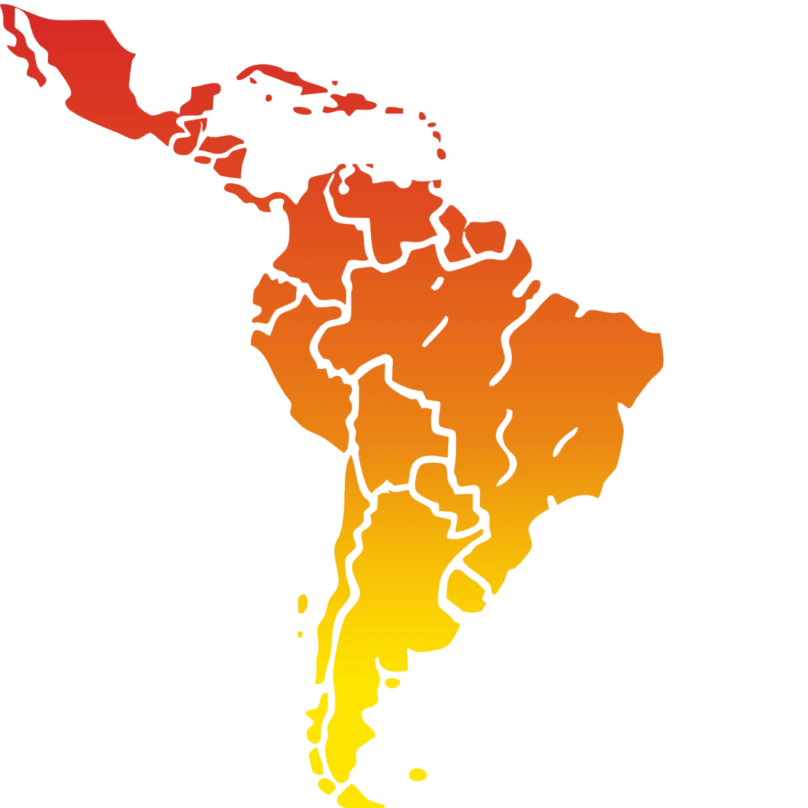

Worldwide, Spanish speakers have a GDP of ~$9.08 Trillion, which would equate to the third-biggest economy in the world.

Why do businesses need Spanish translation services? It may or may not come as a surprise, but the United States has the second-most Spanish speakers in the world, behind only Mexico. Additionally, Hispanics or Latinos are the second-biggest group in the United States. When looking at the world, Spanish is the fourth most spoken language. What if you don’t speak Spanish?
Here at Burning Ox Marketing, we are a fully bilingual marketing agency servicing clients in both English and Spanish, and we can reach wherever those two languages are spoken. Whether you are trying to reach Spanish speakers in the United States, Mexico, or anywhere else, we’ve got you covered.
Are you ready for strong, bright marketing? Contact us!
Services We Offer In Spanish
We offer all of our professional marketing services mentioned on this site in English and Spanish, which comes down to what you need for your company. However, just to be sure we cover our bases and remove doubt, here are some additional services specifically to target the Spanish-speaking market:

General Translation Services
If you need to have content translated, we can do that. Not only that, we can get your English content into Spanish and make sure it is localized to whatever Spanish-speaking country of origin or country you’re trying to target. Just some examples of content you may want to have translated include:
• Sales Collateral
• Training Materials
• Employment Documents
• Educational Communication
• Legal Documents
• Financial Information
• Religious Sermons
• Speeches
• News Articles
• Healthcare and Medical
• Real Estate Paperwork
• Immigration or Travel
• Research or Academic Information
• Books and Newspaper Articles
• Presentations
• Press Releases
• Training Materials
By no means is this an exhaustive list, but if you need different Spanish translation services that are not listed, contact us and we can discuss them.

Localization
When wanting to expand or market into a specific region or location, you need to make sure your content is speaking to the target audience. For example, if the target audience includes lawyers, industry-specific jargon will help your content resonate more with them.
The same principle is true when translating marketing content into a different language for people of a specific region. Although two countries share the same language, there are many distinct dialects, cultural nuances, and consumer behaviors. Having a one-size-fits-all approach does not work for translations.
Just like most languages, Spanish nouns will change depending on the country, region, dialect, and context of the word. Additionally, slang nouns that are freely used in one region can be found offensive and even derogatory in others.
A great example of localization would be the phrase “wash the dishes”. For a direct translation, you could say “lavar los platos”, but in Mexico, it’s common to say “lavar los trastes”. However, the word “trastes” in different Latin American countries means a person who is not respected or even a fret.
While you can generally get away with getting generic translations done in some situations, you want to ensure that your content resonates with those with whom you want to communicate. Just like Americans can spot a foreigner when they’re talking about soccer but call it football, a Chilean can tell if your content was originally written in English by the dialect of the translator.

eCommerce In Spanish
Well-optimized professional product listings help increase visibility on search engines and marketplaces. They enable shopping platforms to understand what the product is, how it should be categorized, and which customers to target. But accuracy in these listings is key—especially when selling to a global audience.
If product information is translated using a free online tool, nuances in meaning can easily be lost due to regional and dialectal differences. Just as you wouldn’t advertise a half-bathroom in England using that term (where it’s more commonly called a WC or loo), you also wouldn’t use the word “torta” for a sandwich in Chile, where it means “cake.”
But translation is only half the battle—cultural context matters just as much. A product used for one purpose in the U.S. may be used differently in another country. Take chili powder as an example. In the U.S., it’s commonly associated with making chili, so product descriptions might focus on that use.
However, in some regions, chili powder is used as a seasoning for fruit, such as watermelon. Understanding these cultural variations is essential to crafting product listings that resonate with international audiences.
For eCommerce marketing success, it’s not just about translating your content—it’s about localizing it to match the expectations, behaviors, and preferences of your target market. A well-optimized, culturally adapted product listing ensures your brand connects with the right audience while maintaining clarity and credibility.
At Burning Ox Marketing, we will translate your content, make sure the content is regionalized, and we can even optimize the content for you. We will also translate reviews, testimonials, Q&A sections, product categories, buttons, menus, and more.

Spanish Pay-Per-Click Ads
Ads targeted toward Latino, Hispanic, and Spanish-speaking audiences require a strategic, localized approach—not just direct translation. In the United States alone, over 20 different Spanish-speaking countries are represented within the population, each with distinct dialects, cultural nuances, and consumer behaviors. Gone are the days when a single, generic ad could effectively engage all Spanish-speaking users.
To improve conversions, you can’t just do a straight translation and call it good. You need to take into consideration not only language variations but also tone and formality. Additionally, on average, Spanish text is longer than English text. As ad platforms have character limits, most text will have to be adjusted to fit.
Another aspect of Spanish ads is the images, and just using the same images won’t work due to cultural differences. Being able to know what pictures will resonate with Colombian customers may be different from Mexican clients.
At Burning Ox Marketing, we not only translate the text, but we can also translate the meaning and images to target the right people for whom you want to see your paid ads.

Spanish SEO Services
When it comes to digital marketing in a different language, doing SEO right is the biggest success factor. Because of the sheer volume of content on a website, getting that not only translated but optimized correctly is crucial. Not only that but different dialects and meanings of words can determine if the customer feels like you know what they need.
In addition, just because you can translate a keyword doesn’t mean it’ll be the right one for the market you’re trying to reach or there is as high of a demand. As an actual example, consider the word ‘carrot’. Look at how differently the same product is searched in Spanish:
In the United States, “carrot” is searched 90,500 searches a month whereas “zanahoria” is only searched 8,100 times a month. In looking abroad, “zanahoria is searched 60,500 times a month in Mexico, 12,100 times in Chile, and 14,800 times in Spain. While this word is straightforward, many others are not.
One fallacy that many companies fall into is just adding a translation button or even having the Google Translate option on the site. While that may translate the content superficially, it does not help your website rank whatsoever. If the content isn’t actually on your site, you won’t rank for anything in Spanish.
We help with professional optimizations in Spanish for all Spanish-speaking demographics and get actual Spanish content on your site, so search engines can index your site in Spanish.

Website Translation
If you’re looking to expand your business into the Spanish-speaking demographic, your main area to start is getting your website translated. As your website is the source of all information for your business or organization, having Spanish content is key so that your visitors understand the information. Misrepresentations or incorrect grammar can drive away potential clients.
There are a few ways to get your website translated correctly. A lot of companies will just have a Spanish version of their sites for all Spanish speakers. While this is a good start, it may be wise to look at having slightly different variations of the content to target specific countries.
As mentioned before, having a superficial translate button or plugin can change the content on the site into Spanish, but the content isn’t permanent. So, to prevent software issues or incorrect translations, we will translate your website so that you can build out pages and blogs for the content to live on.
At Burning Ox, we can translate home pages, pillar pages, blogs, news posts, contact us pages, about us pages, privacy policy pages, terms of service, and more.

Spanish Social Media
For Content on social media can and often does go viral quickly. However, the last thing you want is to have your content go viral for an incorrect translation. One popular example is when a popular coffee company translated “Exit Here” to “Éxito Aquí” which means “Success Here”.
Although this one is easy to see and most will understand quickly that it was a mistake, others can cause major issues and misrepresentations. For your company to be represented correctly online, the social media posts need to be translated correctly for the region it’s targeting.
Also, like paid ads, images and styles of images have different impacts in different regions. So, just creating marketing content for posts, using the same stock photo, and using Google Translate isn’t the best business practice.
One important note is that different countries use social media platforms differently. While total users in most of the western hemisphere use Facebook the most, it doesn’t mean that your target audience in Mexico has the same social media habits as in Puerto Rico.
No worries. We have you covered. We will not only translate the content for you, but advise on what platforms to use, keep the content within the limits of the platforms, and help with Social Media Optimization.

Spanish Reports & Audits
Given the globalization of businesses, companies frequently have employees, partners, and stakeholders in Spanish-speaking countries. The accuracy of translated audits and reports is crucial for compliance, decision-making, and operational transparency. Misinterpretations or incorrect translations can lead to regulatory issues, financial discrepancies, and misunderstandings that impact business outcomes.
Our Spanish translation services will help you translate any audits, reports, or business information into Spanish so they can make sound business recommendations. We can also help translate compliance reports, financial audits, HR reports, or assessments.
Some of our specializations in report translations include:
• Market research
• Business intelligence reports
• Balance sheet
• Financial audits
• Industry-specific legal docs
• Tax filings
• Balance sheets
• Executive summaries
• Consumer insights
• Demographic studies
• Profit & Loss Statements
• Annual reports
• Training audits
• Employee evaluations
• Workplace compliance
• Competitive analysis
• Board meeting minutes
• Operational reports
Our team of professional translation service providers will make sure that the terminology is within industry standards, regulatory requirements, business norms of local businesses, culture of the business, and expectations of regional standards of the Spanish-speaking community.
If you are worried about getting the right business information, our experts can deliver correct, regionally tailored, and accurate business reports.

Spanish To English Translations
To better understand Spanish-speaking markets, it’s better to get the information straight from the source rather than trusting an external third party to come up with the data.
Translating crucial business information and market research from Spanish to English will give you a competitive edge. Not only will you have access to information other businesses don’t consider, but your professional marketing and business projections will be more accurate.
For non-marketing-related materials, getting books and other content written by Spanish speakers into English helps to gain access to more stories, adventures, history, research, culture, and knowledge.

Video & Audio Translation
YouTube is the second most used search engine in the world only second to Google. Not known by most, but what information you have on YouTube does affect how your website and other content rank on Google. While that is just one reason, there are many reasons why businesses need to have their audio and visual content in Spanish.
For videos, there are many ways to get the information translated into Spanish. First, content created in English can be recreated in Spanish. Therefore, translating a script or main ideas for actors or influencers to read would be the first step.
Next, if you are unable to recreate or refilm videos, subtitles are key. Our team can watch your video, transcribe what is being said, and translate that into Spanish so subtitles can be added. The auto translate and auto caption options can help but are frequently wrong in transcribing audio.
Furthermore, to help your marketing content to reach Spanish speakers searching on online platforms, video titles, and descriptions are what are used to categorize videos. We cannot only translate titles and descriptions but also help optimize the content to get future reach.
Our professional Spanish translation services also cover audio and voice recordings. Depending on the clarity and quality of the recordings, our team can transcribe the words and send them to you.

Spanish Content Marketing
As most marketers know, content is king online. Content is the informational foundation of your online presence, but just having your content translated directly from English to Spanish is not enough. Your content needs to connect with those who visit your site or see your information.
Our Spanish content translation services do more than just translate content. We can create high-quality, culturally relevant marketing content aimed at educating, engaging, and converting those who see your information online.
If you don’t already have content written, our writers can do that too. Content originally written in Spanish will automatically incorporate dialects, nuances, and words that are found in the region of our writers. With many countries of origin represented in our team, we can create new content in Spanish as well.

Printed Materials
Not all information is online. With the realization of how information can easily be updated and lost online, print is becoming more valuable and customers are purchasing print more and more. However, not all the information has been translated into Spanish. That is where Burning Ox comes in.
Our professional translation services will help you translate anything that is in printed form, including:
• Books
• Magazines
• Pamphlets
• Periodicals
• Brochures
• Educational Guides
• Flyers
• Instruction Manuals
• Company Newsletters
• Sales Sheets
• One-Pagers
• Event Programs & Booklets
• Gift Certificates & Coupons
• Menus
• Catalogs
• Journal Entries
• Whitepapers
• Case Studies
• Invitations
• Owner’s Manuals
• Repair Guides
• Mail
The translation is done to ensure that tone, clarity, and cultural relevance are maintained.

Industries We’ve Translated For
While we can’t possibly note every type of business that we’ve helped with translation services, here is just a sample:
🔥 Legal Services 🔥 Technology and SaaS 🔥 Retail and Consumer Goods 🔥 Industrial and Manufacturing 🔥 Marketing and Advertising 🔥 Religious and Nonprofit 🔥 Home and Construction Services 🔥 Educational Institutions
Get Translations Into Spanish Today
Now that you see the benefits of having information in Spanish, let’s get started helping you. Contact us so we can start learning about what you need, how much you need to have translated, and how soon you need it done.
¡Estamos listos para encender tu rebaño! We’re ready to ignite your herd!

Frequently Asked Questions (FAQs)
What Languages Can You Translate?
Right now, English to Spanish and visa versa. We may add more later.
Can you Handle Industry-Specific Translations?
Yes. Our translation services have specialized in home and construction services, and legal, medical, and marketing translations, ensuring industry-specific accuracy and terminology. However, we can service nearly any industry.
How do you Ensure the Quality of your Translations?
All translated marketing content is reviewed by people who are fluent in Spanish, including many native speakers from many different Latin American countries. We also check for grammatical and other regional dialects. So, if you want content targeted at people in Chile or a website for Mexico, we’ve got you covered. If there is a specific region you want, contact us!
Do you Offer Interpreting Services?
Yes, but it depends on the situation. Please contact us and we can discuss your interpretation services needs.
How do you Handle Confidentiality?
All translated information is protected and only accessible to those working on the translation project. Everyone involved in the project has signed a confidentiality agreement or a non-disclosure agreement. So, your information will not be shared.
What is your Turnaround Time for Translations?
The turnaround time depends on a few factors, including:
1. Size of the project: Translating 300 words will be a lot faster than something longer like a novel, entire website, or publication
2. Subject Matter: If the content is on a universal topic like “swimming”, the turnaround is fairly quick. However, if translating legal documents, we review them multiple times to ensure accuracy.
3. Target Dialect: General translations go a lot faster than if you’re specifically looking to target a specific region or dialect.
4. Existing vs New Content: If we’re starting with content from scratch, that will take a bit longer than if you have existing content to translate.
Do You Charge Extra for Urgent Translations?
Yes, but there is a discount if you have other services with us. Whether this service is a la carte or part of a broader marketing service we provide, contact us, and we’ll chat about pricing and timelines and answer any other questions that you have.
Can’t I Just Use Auto Translate Software?
You can, but translation software can cause issues, such as:
1. For website plugins, it would just superficially change the language on your site. The translated content doesn’t live on your site, so you won’t ever rank for that content for SEO.
2. Also, you’re putting it up to the chance that the software is translating your site correctly. As you increase the amount of content, the chances and number of errors both increase.
3. It’s better to have someone review the content. Unless you speak the language the content is being translated into, it’d be very hard to know what errors to look for.
How Do You Handle Slang, Idioms, and Cultural Expressions?
Our marketing team includes many native speakers from around the world, so we ensure that the meaning of the content is preserved, not just the word-for-word translation. Generally, slang isn’t viewed as professional in a professional setting. However, if you’re targeting a specific region, our team ensures that the translated content is correct.
Do You Offer Ongoing Translations?
Yes, we provide ongoing professional translation services for regularly updated content. We’ll discuss the update frequency, turnaround time, and content volume to determine pricing and expectations.
Do you Adapt Slogans and Branding for Spanish Markets?
Yes. We ensure that the branding, intent, and meaning behind those slogans are preserved. Suppose a direct translation is too long (e.g., too many characters for a logo). In that case, we’ll work with you to provide alternative translations along with explanations of their meanings, allowing you to choose the best fit for your company.